When to Replace Drywall Instead of Patching During an Interior Renovation
This guide helps homeowners and renovation contractors decide whether to patch existing drywall or replace it entirely during an interior project. The choice depends on moisture history, material condition, and the scope of surrounding work. Below is a practical framework built from verified environmental guidance and questions to ask your supplier or contractor.
Contents
- What determines whether drywall should be replaced or patched?
- When does moisture exposure require full drywall replacement?
- How do patch and replace costs compare during renovation?
- What are the structural risks of patching over compromised framing?
- How does the renovation schedule influence the drywall decision?
- Which drywall types require specific replacement protocols?
Key takeaways
- The main question is whether the drywall has sustained damage that compromises its integrity or poses an ongoing risk.
- Moisture exposure frequently dictates full replacement rather than localized repair.
- No approved cost data or pricing records are available in the verified sources for this article, so specific price comparisons cannot be provided here.
- Before patching, expose enough of the wall cavity to visually inspect the framing members.
- Allow adequate drying time for exposed framing and adjacent materials before hanging new drywall.
When to Replace Drywall Instead of Patching During an Interior Renovation.
- Porous materials like drywall that show visible mold growth should be discarded rather than cleaned, because mold penetrates deeply into the surface (U.S. Environmental Protection Agency).
- Mold problems will return if the underlying water or moisture issue is not fixed before repair work begins (U.S. Environmental Protection Agency).
- Indoor humidity should stay below 60 percent, ideally between 30 and 50 percent, to prevent mold growth on building materials including gypsum board (U.S. Environmental Protection Agency).
- Building materials are identified as common indoor sources of volatile organic compounds; increasing ventilation during their installation or finishing is recommended (U.S. Environmental Protection Agency).
What determines whether drywall should be replaced or patched?
The main question is whether the drywall has sustained damage that compromises its integrity or poses an ongoing risk. Inspect the wall for soft spots, discoloration, swelling, or crumbling edges. Ask your contractor to probe suspect areas with a moisture meter before choosing a repair method. Panels that remain dry and intact can typically be repaired locally.
What determines whether drywall should be replaced or patched.
When does moisture exposure require full drywall replacement?
Moisture exposure frequently dictates full replacement rather than localized repair. According to the U.S. Environmental Protection Agency, porous materials such as ceiling tiles and drywall that have become moldy should be discarded rather than cleaned, because mold grows into the pores and cannot be fully removed from porous surfaces (U.S. Environmental Protection Agency). The U.S. Environmental Protection Agency further states that wallboard with visible mold should generally be removed and discarded rather than cleaned, because mold can penetrate deeply into these materials.
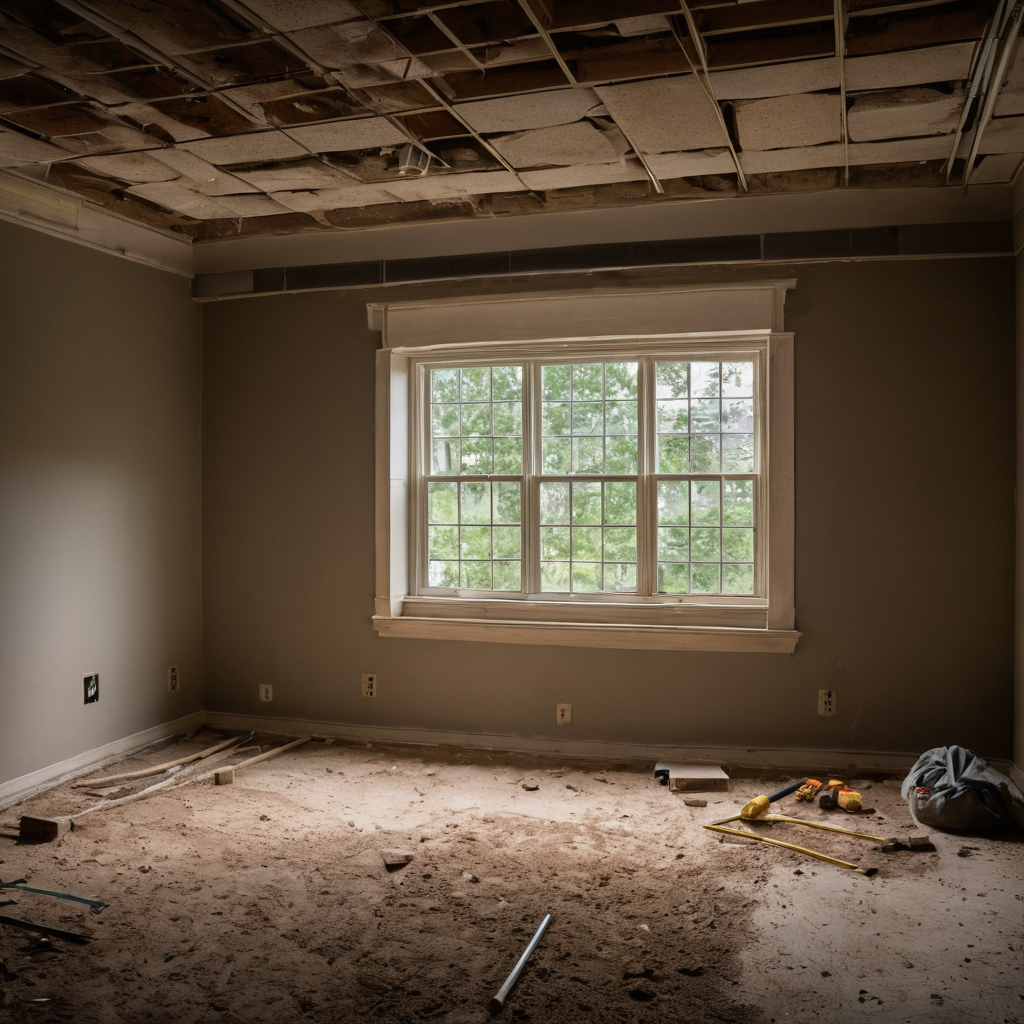
Drywall repair during a renovation is a sequencing checkpoint between demolition and finish trades.
Cleaning the surface of mold-damaged drywall does not eliminate the contamination within the panel. The U.S. Environmental Protection Agency warns that mold problems will return if the underlying water or moisture issue is not fixed before repair work begins (U.S. Environmental Protection Agency). Replacing the drywall without addressing the source of the leak or condensation will result in recurring damage. To limit future moisture accumulation, the U.S. Environmental Protection Agency recommends keeping indoor humidity below 60 percent, ideally between 30 and 50 percent, to prevent mold growth on building materials including gypsum board.
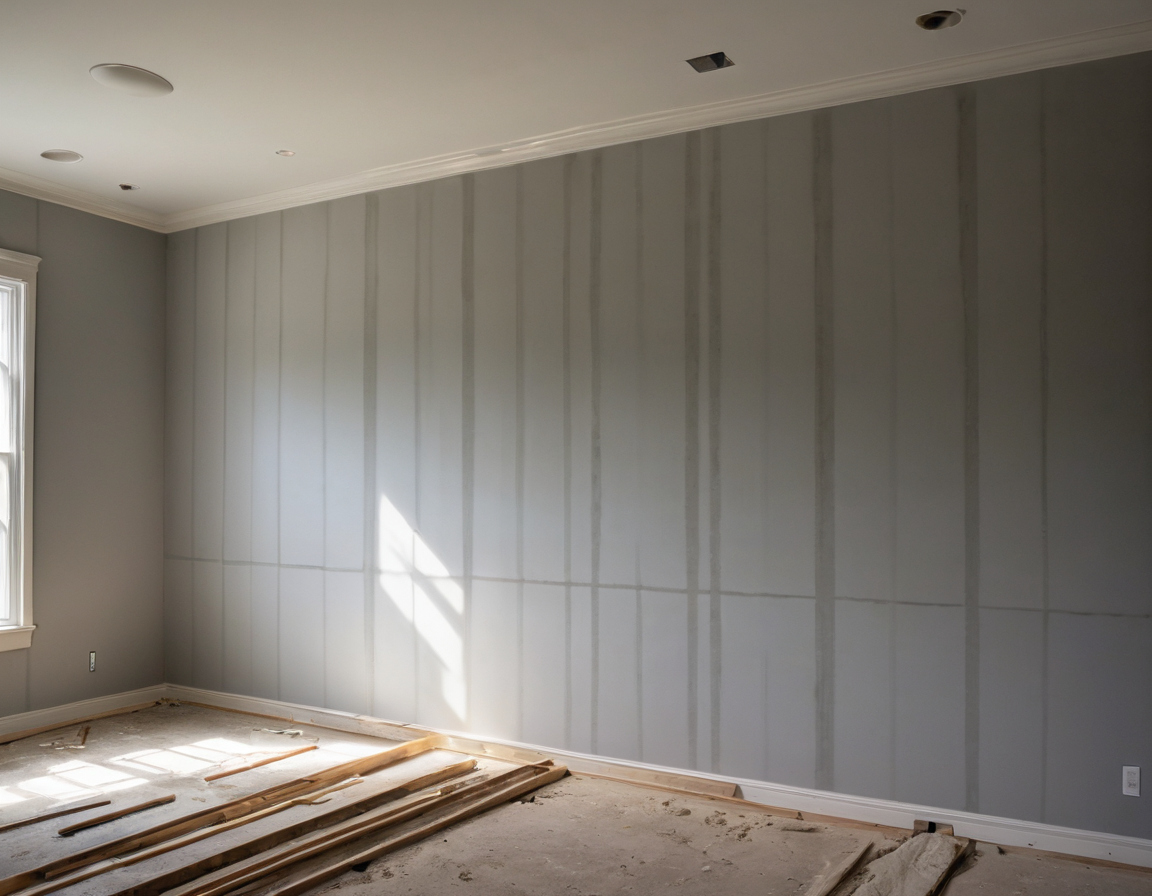
When does moisture exposure require full drywall replacement.
Verify that plumbing leaks, roof penetrations, or condensation issues are fully resolved before installing new panels. Ask your supplier about moisture-resistant or mold-resistant drywall options for areas prone to high humidity.
How do patch and replace costs compare during renovation.
How do patch and replace costs compare during renovation?
No approved cost data or pricing records are available in the verified sources for this article, so specific price comparisons cannot be provided here. Fabricating average market rates would be misleading. Request itemized estimates from your contractor that separate labor, materials, and disposal fees for both the patching and full-replacement scenarios. Ask your supplier whether bulk purchasing for a full replacement changes the per-sheet cost compared to buying individual panels for patches. Evaluate whether the long-term cost of repeated repairs on compromised drywall outweighs the upfront expense of replacement.
What are the structural risks of patching over compromised framing.
What are the structural risks of patching over compromised framing?
Before patching, expose enough of the wall cavity to visually inspect the framing members. If the framing is compromised, the structural repair must happen first. Ask your contractor to assess whether sistering new lumber alongside damaged studs is sufficient or if sections need complete replacement. Proceeding without verifying the condition of the underlying structure introduces uncertainty into the repair.
How does the renovation schedule influence the drywall decision.
How does the renovation schedule influence the drywall decision?
Allow adequate drying time for exposed framing and adjacent materials before hanging new drywall. As noted by the U.S. Environmental Protection Agency, fixing the moisture source before beginning repair work is necessary to prevent mold from returning. Do not compress the schedule at the expense of verifying that humidity levels meet the U.S. Environmental Protection Agency recommendation of staying below 60 percent, ideally between 30 and 50 percent.
Joint compound drying times set the pace of patch repairs.
Plan for ventilation time when installing new building materials, finishes, paints, or varnishes. The U.S. Environmental Protection Agency identifies paints, varnishes, waxes, cleaning products, building materials, and furnishings as common indoor sources of volatile organic compounds (U.S. Environmental Protection Agency). The U.S. Environmental Protection Agency recommends increasing ventilation when using products that emit volatile organic compounds indoors. Factor this ventilation period into your overall renovation schedule.
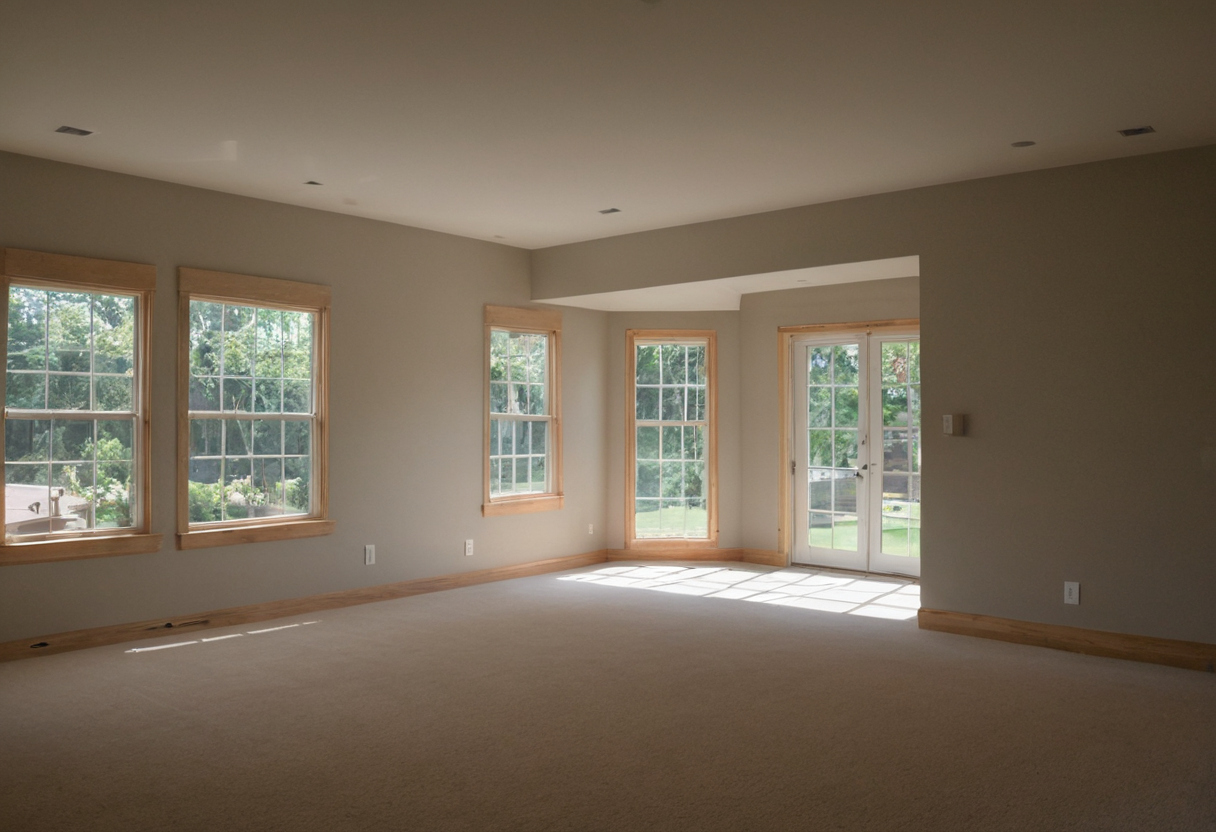
Drywall must be complete before subsequent trades can proceed.
Which drywall types require specific replacement protocols?
The approved sources do not contain specific technical protocols for different drywall types such as fire-rated, impact-resistant, or acoustic panels. Rather than fabricating standards, consult the manufacturer installation instructions for the specific panel type being replaced. Ask your supplier whether the replacement panel requires specialized joint compounds, fasteners, or taping methods. If your renovation involves accessible spaces, ensure that any changes to wall thickness or surface placement comply with applicable design requirements. For reference, the U.S. Department of Justice 2010 ADA Standards specify a 30 by 48 inch clear floor or ground space for wheelchair positioning, and set accessible dining and work surfaces at 28 to 34 inches above the finish floor or ground (U.S. Department of Justice). Changes to wall assemblies that alter these clearances must be evaluated against those standards.
Which drywall types require specific replacement protocols.
Frequently Asked Questions
Can I just paint over mold on drywall instead of replacing it?
No. According to the U.S. Environmental Protection Agency, porous materials like drywall that have become moldy should be discarded rather than cleaned, because mold grows into the pores and cannot be fully removed from porous surfaces. Painting over it does not resolve the contamination.
Will new drywall get moldy if I install it right away?
It can, if the moisture problem persists. The U.S. Environmental Protection Agency states that mold problems will return if the underlying water or moisture issue is not fixed before repair work begins. Ensure the source of moisture is eliminated and indoor humidity is kept below 60 percent, ideally between 30 and 50 percent, as recommended by the U.S. Environmental Protection Agency.
Do new drywall and joint compounds affect indoor air quality?
Building materials are identified by the U.S. Environmental Protection Agency as common indoor sources of volatile organic compounds. The U.S. Environmental Protection Agency recommends increasing ventilation when using products that emit volatile organic compounds indoors during installation and finishing.
Does replacing drywall change accessibility clearances?
It can, if the new assembly alters wall thickness or surface placement. The U.S. Department of Justice 2010 ADA Standards require a 30 by 48 inch clear floor or ground space for wheelchair positioning and set accessible surfaces at 28 to 34 inches above the finish floor. Verify measurements after replacement.
For more on this topic, see other guides on this site.